Boost Your HVAC Efficiency with Regular HVAC Maintenance Tips

When it comes to keeping your home comfortable year-round, your HVAC system plays a starring role. But like any complex machine, it needs regular care to perform at its best. Over time, dust, wear, and neglect can cause your heating and cooling system to work harder, consume more energy, and even break down unexpectedly. That’s why I’m here to share some regular HVAC maintenance tips that will help you boost your system’s efficiency, save money, and extend its lifespan.
Whether you’re a homeowner, builder, or property owner, understanding how to maintain your HVAC system is essential. Let’s dive into practical advice that’s easy to follow and will keep your system running smoothly.
Why Regular HVAC Maintenance Tips Matter
You might wonder why you should bother with regular HVAC maintenance. The truth is, skipping routine checkups can lead to costly repairs and higher energy bills. Here’s why staying on top of maintenance is a smart move:
Improved Energy Efficiency: A clean and well-tuned system uses less energy to heat or cool your space.
Longer Equipment Life: Regular care prevents premature wear and tear.
Better Air Quality: Clean filters and ducts reduce dust, allergens, and pollutants.
Fewer Breakdowns: Early detection of issues means fewer emergency repairs.
Consistent Comfort: Your home stays at the right temperature without fluctuations.
Think of your HVAC system like a car. You wouldn’t drive for years without an oil change or tune-up, right? The same principle applies here.

Essential Regular HVAC Maintenance Tips You Can Do Yourself
You don’t always need a professional to keep your HVAC system in shape. Some simple tasks can be done on your own to maintain efficiency:
1. Change or Clean Air Filters Monthly
Dirty filters restrict airflow and force your system to work harder. Replace disposable filters every 30 days or clean reusable ones as recommended. This small step can reduce energy consumption by up to 15%.
2. Keep Vents and Registers Clear
Make sure furniture, curtains, or rugs don’t block air vents. Clear airflow helps your system distribute air evenly and efficiently.
3. Clean Around the Outdoor Unit
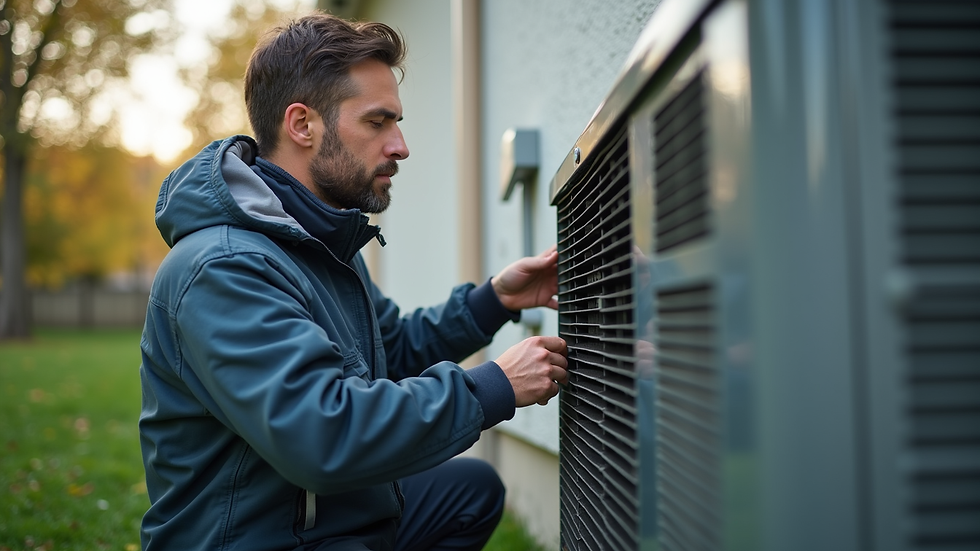
Remove leaves, dirt, and debris from around your outdoor condenser unit. Trim back plants and keep at least two feet of clearance to ensure proper airflow.
4. Check Thermostat Settings
Set your thermostat to an energy-saving temperature when you’re away or asleep. Consider upgrading to a programmable thermostat for automatic adjustments.
5. Inspect and Clean Drain Lines
Clogged drain lines can cause water damage and reduce efficiency. Pour a cup of bleach or vinegar down the drain line every few months to keep it clear.
These simple steps can make a big difference in your system’s performance and longevity.
When to Call a Professional for HVAC System Maintenance
While DIY maintenance is helpful, some tasks require professional expertise. Scheduling annual or biannual professional inspections ensures your system is thoroughly checked and serviced. Here’s what a technician typically does:
Inspect and Clean Coils: Dirty evaporator and condenser coils reduce efficiency.
Check Refrigerant Levels: Low refrigerant can cause poor cooling and damage.
Lubricate Moving Parts: Reduces friction and wear on motors and fans.
Test Electrical Components: Prevents shorts and failures.
Calibrate Thermostat: Ensures accurate temperature control.
Inspect Ductwork: Detects leaks or blockages that reduce airflow.
Professional maintenance not only boosts efficiency but also helps you avoid unexpected breakdowns during extreme weather.
How Regular HVAC Maintenance Saves You Money
Investing time and money in regular maintenance pays off in several ways:
Lower Energy Bills: A well-maintained system uses less electricity or gas.
Reduced Repair Costs: Catching small problems early prevents expensive fixes.
Extended Equipment Life: Proper care delays the need for costly replacements.
Increased Home Value: A reliable HVAC system is a selling point for buyers.
For example, a clogged filter can increase energy use by 5% to 15%. Over a year, that adds up to significant extra costs. On the other hand, a clean and efficient system can reduce your energy bills noticeably.
Tips for Choosing the Right HVAC Service Provider
When it’s time for professional service or replacement, choosing the right HVAC company is crucial. Here are some tips to help you find a trustworthy provider:
Check Credentials: Look for licensed, insured, and certified technicians.
Read Reviews: Customer feedback reveals reliability and quality.
Ask About Experience: Choose companies with a proven track record.
Get Multiple Quotes: Compare prices and services before deciding.
Inquire About Maintenance Plans: Regular service contracts can save money and hassle.
Remember, a good service provider will educate you about your system and offer honest advice tailored to your needs.
Keep Your HVAC System Running Smoothly Year-Round
Maintaining your HVAC system is not just about fixing problems when they arise. It’s about proactive care that keeps your home comfortable and your energy bills low. By following these regular HVAC maintenance tips, you’ll enjoy a system that runs efficiently and reliably through every season.
If you want to dive deeper into professional care, consider scheduling a thorough hvac system maintenance checkup with a trusted technician. It’s an investment that pays dividends in comfort and savings.
Stay cool in the summer, warm in the winter, and confident that your HVAC system is ready for whatever the weather brings!


Comments