Choosing the Right HVAC Upgrade Choices for Your Home

When it comes to maintaining comfort in your home, the HVAC system plays a starring role. But what happens when your current system starts showing signs of age or inefficiency? That’s when it’s time to explore your HVAC upgrade choices. Choosing the right replacement can feel overwhelming, but with the right information, you can make a confident decision that keeps your home cozy and your energy bills in check.
Understanding Your HVAC Upgrade Choices
Before diving into the specifics, it’s important to understand the types of HVAC systems available. The right choice depends on your home’s size, layout, and your personal comfort preferences. Here are the most common HVAC upgrade choices:
Central Air Conditioning and Furnace: The classic combo for many homes, providing both heating and cooling through ductwork.
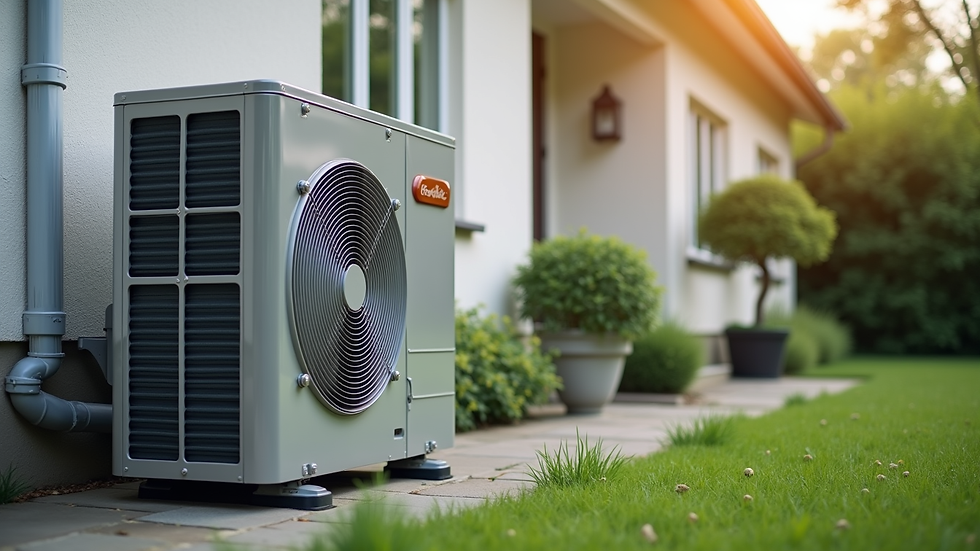
Heat Pumps: These versatile systems provide heating and cooling by transferring heat rather than generating it, making them energy-efficient.
Ductless Mini-Split Systems: Ideal for homes without existing ductwork or for room-specific climate control.
Hybrid Systems: Combine a heat pump with a furnace to optimize efficiency depending on the season.
Each option has its pros and cons, and understanding these will help you make an informed choice.
Factors to Consider When Choosing HVAC Upgrade Choices
Choosing the right HVAC system is not just about picking the latest model. Several factors come into play:
Energy Efficiency
Look for systems with high SEER (Seasonal Energy Efficiency Ratio) ratings for cooling and high AFUE (Annual Fuel Utilization Efficiency) ratings for heating. Higher ratings mean better efficiency and lower utility bills.
Size and Capacity
An HVAC system that’s too small won’t adequately heat or cool your home, while one that’s too large will cycle on and off too frequently, wasting energy and reducing comfort. A professional load calculation can determine the right size.
Installation and Maintenance Costs
Consider both upfront installation costs and long-term maintenance expenses. Some systems may cost more initially but save money over time through lower energy use.
Climate Considerations
Your local climate influences which system will perform best. For example, heat pumps are excellent in moderate climates but may need a backup heating source in colder regions.
Indoor Air Quality
Some HVAC systems come with advanced filtration and humidity control options, which can improve indoor air quality and comfort.
Exploring HVAC Replacement Options
When it’s time to replace your HVAC system, you want to explore all available options to find the best fit. The market offers a variety of choices tailored to different needs and budgets. Here’s a closer look at some popular options:
Traditional Furnace and AC Combo: Reliable and familiar, this setup works well for homes with existing ductwork.
Heat Pumps: Increasingly popular due to their energy efficiency and ability to provide both heating and cooling.
Ductless Mini-Splits: Perfect for room additions or homes without ducts, offering flexibility and zone control.
Geothermal Systems: Use the earth’s stable temperature to heat and cool your home, offering excellent efficiency but higher upfront costs.
Each option has unique benefits, and a professional HVAC technician can help you weigh these against your home’s needs.
How to Prepare for Your HVAC Replacement
Once you’ve decided on the type of system, preparation is key to a smooth installation:
Schedule a Professional Assessment
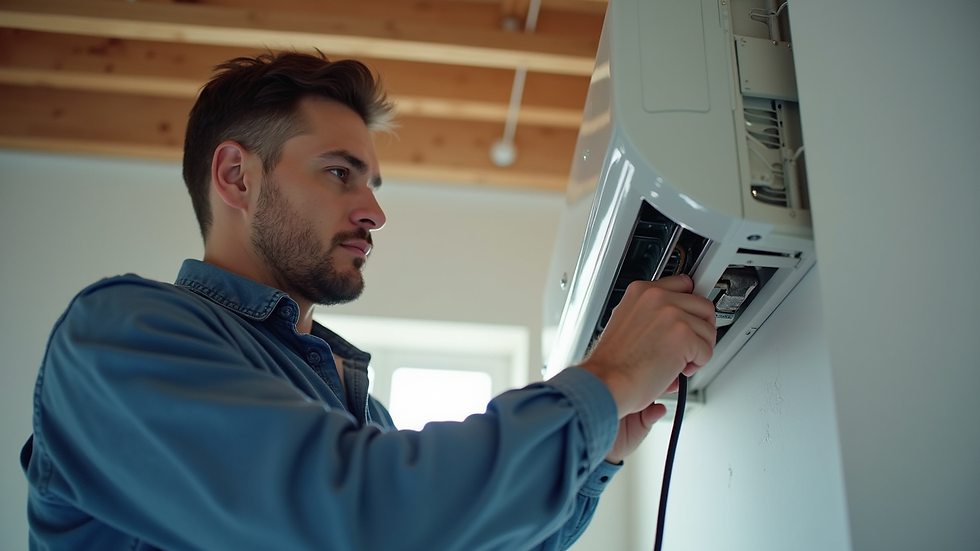
A qualified technician will evaluate your home’s heating and cooling needs, inspect existing ductwork, and recommend the best system size and type.
Review Your Budget
Factor in installation, equipment, and potential rebates or tax credits for energy-efficient systems.
Plan for Installation Day
Clear the area around your current HVAC system and ensure easy access for the installation team.
Ask About Maintenance Plans
Regular maintenance extends the life of your system and keeps it running efficiently.
Maximizing Your HVAC System’s Lifespan and Efficiency
After investing in a new HVAC system, you want to get the most out of it. Here are some tips to keep your system running smoothly:
Change Filters Regularly
Dirty filters reduce airflow and efficiency. Replace them every 1-3 months depending on usage.
Schedule Annual Tune-Ups
Professional inspections catch small issues before they become costly repairs.
Use a Programmable Thermostat
Adjust temperatures automatically to save energy when you’re away or asleep.
Seal and Insulate Your Home
Proper insulation and sealing reduce the workload on your HVAC system.
Keep Outdoor Units Clear
Remove debris and vegetation around outdoor units to ensure proper airflow.
By following these steps, you can enjoy a comfortable home environment and lower energy bills for years to come.
Making the Right Choice for Your Home’s Comfort
Choosing the right HVAC upgrade choices is a significant decision that impacts your home’s comfort, energy efficiency, and budget. By understanding the different systems available, considering your home’s unique needs, and preparing properly for installation, you can ensure a smooth transition to a new, efficient HVAC system.
Remember, investing in a quality HVAC system is investing in your home’s future comfort and value. Take the time to research, ask questions, and work with trusted professionals to find the perfect fit.
Your home deserves the best, and with the right HVAC upgrade choices, you’ll enjoy a cozy, efficient living space no matter the season.


Comments