Fix Common Home Air Conditioning Problems with Home AC Repair Solutions

When the summer heat hits, a well-functioning air conditioner is a lifesaver. But what happens when your AC starts acting up? I’ve been there, and I know how frustrating it can be to deal with a malfunctioning system. Luckily, many common home air conditioning problems are fixable with some basic knowledge and a bit of effort. In this post, I’ll walk you through practical home AC repair solutions that can save you time, money, and discomfort.
Understanding Home AC Repair Solutions: What You Need to Know
Before diving into fixes, it’s important to understand how your air conditioning system works. Most home AC units operate on a simple principle: they remove heat from inside your home and release it outside, cooling the indoor air. This process involves several components like the compressor, condenser, evaporator coil, and refrigerant.
When any of these parts malfunction, your AC’s performance drops. Here are some common issues and how to approach them:
Dirty filters: Clogged filters restrict airflow, making your AC work harder.
Refrigerant leaks: Low refrigerant means less cooling power.
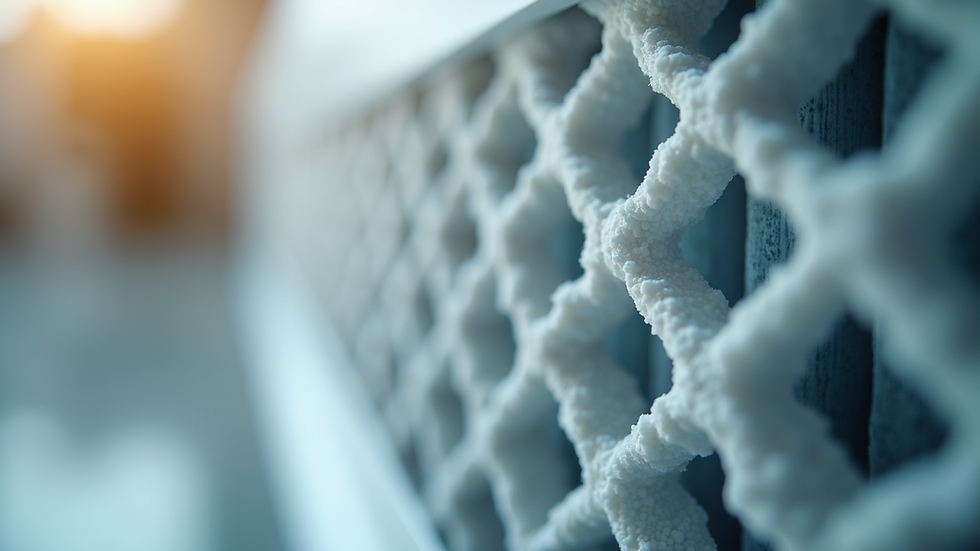
Frozen coils: Ice buildup on coils can stop cooling altogether.
Electrical problems: Faulty wiring or capacitors can cause the unit to fail.
Thermostat issues: Incorrect settings or broken thermostats can mislead your system.
Knowing these basics helps you identify problems early and decide whether you can fix them yourself or need professional help.
Quick and Effective Home AC Repair Solutions You Can Try
Let’s get hands-on with some practical fixes you can do yourself before calling in the pros. These solutions are straightforward and often resolve the most frequent AC problems.
1. Replace or Clean Your Air Filters Regularly
Dirty filters are the number one cause of poor AC performance. I recommend checking your filters every month during heavy use and replacing or cleaning them as needed. This simple step improves airflow and efficiency.
Remove the filter from your unit.
If it’s disposable, replace it with a new one.
If it’s reusable, wash it with warm water and mild detergent, then let it dry completely before reinstalling.
2. Clear Debris Around the Outdoor Unit
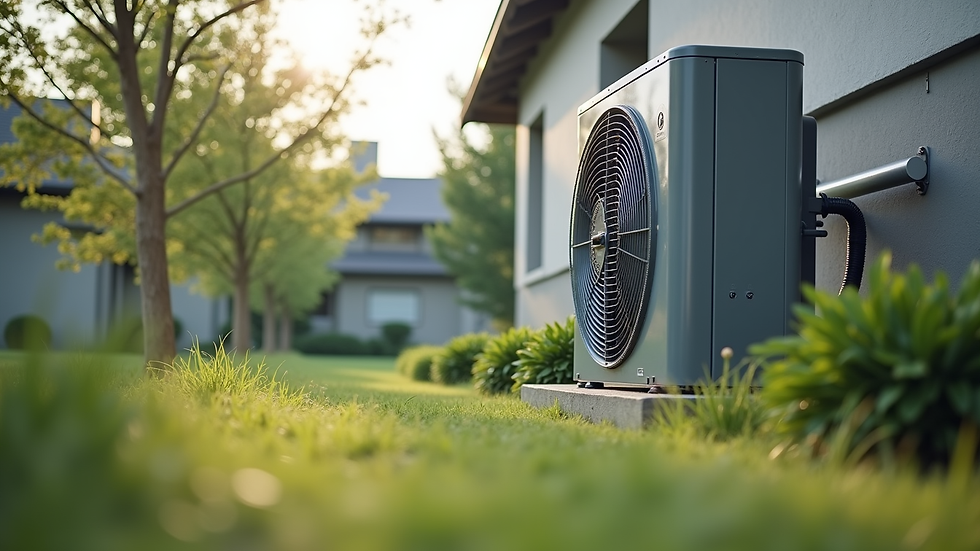
Your AC’s outdoor condenser needs clear space to function properly. Leaves, dirt, and grass can block airflow and cause overheating.
Turn off the power to the unit.
Remove any debris around the base.
Use a garden hose to gently wash the fins, being careful not to bend them.
3. Check and Adjust Your Thermostat Settings
Sometimes the problem is as simple as incorrect thermostat settings. Make sure your thermostat is set to “cool” and the temperature is lower than the current room temperature.
Replace batteries if your thermostat is battery-powered.
Consider upgrading to a programmable thermostat for better control and energy savings.
4. Inspect and Clean the Evaporator and Condenser Coils
Over time, coils collect dirt that reduces their ability to absorb and release heat.
Turn off the power.
Use a soft brush or coil cleaner to gently clean the coils.
Avoid using harsh chemicals that can damage the fins.
5. Look for Refrigerant Leaks
If your AC isn’t cooling well, low refrigerant might be the culprit. Unfortunately, handling refrigerant requires professional certification, so if you suspect a leak, it’s best to call for home air conditioning repair.
When to Call a Professional for Home AC Repair Solutions
While many fixes are DIY-friendly, some problems require expert attention. Here are signs that it’s time to contact a professional:
Strange noises: Grinding, squealing, or rattling sounds can indicate mechanical issues.
Frequent cycling: If your AC turns on and off rapidly, it may have electrical or thermostat problems.
Water leaks: Pooled water around the unit could mean a clogged drain line or refrigerant leak.
No cooling: If your AC runs but doesn’t cool, it might need a refrigerant recharge or compressor repair.
Electrical issues: Flickering lights or tripped breakers suggest wiring problems.
Professional technicians have the tools and knowledge to diagnose and fix these issues safely and efficiently.
Preventive Maintenance Tips to Avoid Future AC Problems
Prevention is always better than repair. Regular maintenance keeps your system running smoothly and extends its lifespan. Here are some tips I follow to keep my AC in top shape:
Schedule annual professional inspections and tune-ups.
Change or clean filters monthly during peak seasons.
Keep the outdoor unit free of debris and vegetation.
Seal and insulate ductwork to improve airflow.
Use a programmable thermostat to reduce wear and tear.
By staying proactive, you can avoid costly repairs and enjoy consistent comfort all year round.
Enhancing Your Home’s Cooling Efficiency Beyond Repairs
Fixing your AC is just one part of the equation. Improving your home’s overall cooling efficiency can reduce energy bills and enhance comfort.
Use ceiling fans to circulate air and reduce the load on your AC.
Close blinds and curtains during the hottest parts of the day to block heat.
Seal windows and doors to prevent cool air from escaping.
Upgrade insulation in your attic and walls to maintain temperature.
Consider energy-efficient window films to reduce solar heat gain.
These strategies complement your AC system and create a cooler, more energy-efficient home environment.
Taking Charge of Your Home AC Repair Solutions
Dealing with air conditioning problems doesn’t have to be stressful. With a little knowledge and some simple steps, you can fix many common issues yourself. Remember, regular maintenance and timely repairs are key to keeping your system running efficiently.
If you ever feel overwhelmed or face complex problems, don’t hesitate to reach out for professional home air conditioning repair. Your comfort and peace of mind are worth it.
Stay cool and enjoy a comfortable home all summer long!


Comments