Fixing Common Home AC Issues: Essential AC Repair Tips

When your home air conditioning system starts acting up, it can quickly turn a comfortable living space into an uncomfortable one. I’ve been there myself, and I know how frustrating it can be to deal with an AC that’s not cooling properly or making strange noises. The good news is that many common AC problems can be fixed with some basic troubleshooting and maintenance. In this post, I’ll share practical AC repair tips that will help you identify and resolve typical issues, saving you time and money before calling in the pros.
Understanding the Basics of Your AC System
Before diving into repairs, it’s important to understand how your air conditioner works. Most home AC units consist of two main parts: the indoor evaporator coil and the outdoor condenser unit. The system circulates refrigerant to absorb heat from inside your home and release it outside, cooling the air in the process.
Knowing this helps you pinpoint where problems might be occurring. For example, if the air blowing from your vents is warm, the issue could be with the refrigerant, the compressor, or airflow restrictions. Here are some common signs to watch for:
Warm or insufficient airflow from vents
Strange noises like rattling or buzzing
Water leaks around the indoor unit
Frequent cycling on and off
High energy bills without increased usage
Understanding these symptoms will guide you in applying the right fixes.
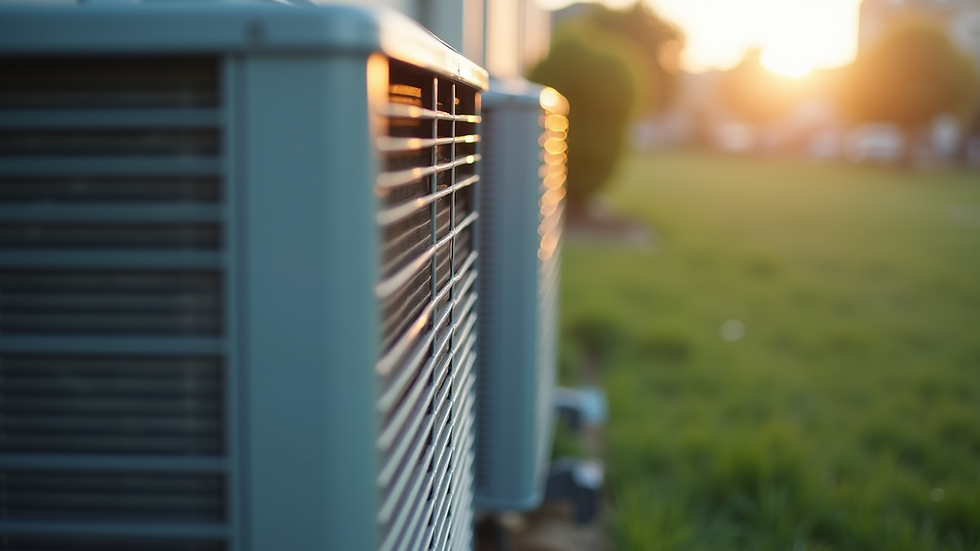
Outdoor condenser unit showing the fan and coils
Top AC Repair Tips to Keep Your System Running Smoothly
Now that you know the basics, let’s get into some AC repair tips that you can try yourself. These steps cover the most frequent issues homeowners face and can often restore your system’s performance without professional help.
1. Check and Replace Air Filters Regularly
Dirty air filters are one of the most common causes of AC problems. When filters get clogged with dust and debris, airflow is restricted, causing the system to work harder and less efficiently. This can lead to overheating and even damage to the compressor.
What to do:
Locate your air filter (usually near the return air duct or blower compartment).
Remove the filter and inspect it.
If it looks dirty or clogged, replace it with a new one.
Aim to change filters every 1-3 months depending on usage and air quality.
Regular filter changes improve airflow, reduce energy consumption, and extend the life of your AC.
2. Clean the Evaporator and Condenser Coils
Over time, dirt and grime build up on the coils, reducing their ability to absorb and release heat. This buildup forces your AC to work harder and can cause cooling issues.
How to clean coils:
Turn off the power to your AC unit.
Use a soft brush or coil cleaner spray to gently remove dirt from the evaporator coil inside and the condenser coil outside.
Be careful not to bend the delicate fins on the coils.
Rinse the condenser coil with a garden hose if accessible.
Keeping coils clean ensures efficient heat exchange and better cooling performance.
3. Inspect and Clear the Condensate Drain Line
If you notice water pooling around your indoor unit or dripping from vents, the condensate drain line might be clogged. This line removes moisture collected from the air during cooling.
Fixing a clogged drain line:
Locate the drain line near the indoor unit.
Use a wet/dry vacuum to suck out any blockage.
Alternatively, flush the line with a mixture of water and vinegar to clear algae or mold buildup.
Ensure the drain pan is not cracked or damaged.
A clear drain line prevents water damage and mold growth inside your home.

Cleaning evaporator coil to improve AC efficiency
4. Check the Thermostat Settings and Batteries
Sometimes the problem is as simple as incorrect thermostat settings or dead batteries. If your AC won’t turn on or cycles erratically, this is a quick fix to try.
Steps to check:
Make sure the thermostat is set to “cool” mode.
Set the temperature lower than the current room temperature.
Replace batteries if your thermostat uses them.
Consider upgrading to a programmable thermostat for better control and energy savings.
Proper thermostat settings ensure your AC runs only when needed, saving energy and reducing wear.
5. Inspect Electrical Connections and Components
Faulty wiring or loose electrical connections can cause your AC to malfunction or fail to start. If you’re comfortable with basic electrical work, you can inspect these components safely.
What to look for:
Turn off power to the unit.
Check wiring for signs of wear, corrosion, or loose connections.
Tighten any loose screws or terminals.
Look for blown fuses or tripped breakers in your electrical panel.
If you find damaged wiring or are unsure, it’s best to call a professional to avoid safety risks.
When to Call for Professional Home Air Conditioning Repair
While many AC issues can be fixed with DIY methods, some problems require expert attention. If you’ve tried the above tips and your system still isn’t working properly, it’s time to seek professional help. Issues like refrigerant leaks, compressor failure, or complex electrical problems need specialized tools and knowledge.
For reliable home air conditioning repair, always choose licensed HVAC technicians who can diagnose and fix problems safely and efficiently. Regular professional maintenance can also prevent many issues before they start.
Preventive Maintenance Tips to Avoid Future AC Problems
Prevention is always better than repair. Here are some simple maintenance tips to keep your AC running smoothly year-round:
Schedule annual professional tune-ups.
Keep outdoor units free of debris, leaves, and grass clippings.
Ensure vents and registers are not blocked by furniture or curtains.
Use ceiling fans to help circulate air and reduce AC load.
Seal windows and doors to prevent cool air from escaping.
By following these tips, you’ll enjoy a more efficient system, lower energy bills, and fewer unexpected breakdowns.
Keeping Your Cool with Smart AC Care
Fixing common home AC issues doesn’t have to be stressful or expensive. With a little knowledge and regular care, you can keep your system running efficiently and comfortably. Remember to start with simple checks like filters and thermostat settings, and don’t hesitate to call in professionals when needed.
Your home’s comfort depends on a well-maintained air conditioner, so invest the time and effort to keep it in top shape. Stay cool and enjoy the benefits of a properly functioning AC system all year long!


Comments