Mastering Air Conditioning Troubleshooting: Your Guide to a Cool Home

When the summer heat hits, a working air conditioner is not just a luxury - it’s a necessity. But what happens when your AC unit suddenly stops cooling or starts making strange noises? Don’t sweat it. I’ve been through the ups and downs of home air conditioning troubleshooting, and I’m here to share practical tips and insights to help you get your system back in shape. Whether you’re a homeowner, builder, or property owner, understanding the basics of air conditioning troubleshooting can save you time, money, and discomfort.
Understanding Common Air Conditioning Troubleshooting Issues
Before diving into fixes, it’s important to recognize the common problems that plague home air conditioning systems. Here are some typical issues you might encounter:
AC not cooling properly: The unit runs but the air isn’t cold.
Unit won’t turn on: No response when you switch it on.
Strange noises: Buzzing, rattling, or grinding sounds.
Water leaks: Moisture pooling around the indoor unit.
Frequent cycling: The system turns on and off repeatedly.
Each of these symptoms points to different underlying causes. Let’s break down what might be going wrong and how to troubleshoot effectively.
AC Not Cooling Properly? Here’s What to Check
If your air conditioner is running but the air feels warm or only slightly cool, the problem could be one of several things:
Dirty Air Filters
Clogged filters restrict airflow, reducing cooling efficiency. Check your filters monthly and replace or clean them as needed. This simple step can improve air quality and system performance.
Thermostat Settings
Sometimes the issue is as simple as incorrect thermostat settings. Make sure it’s set to “cool” mode and the temperature is lower than the current room temperature.
Blocked Condenser Unit
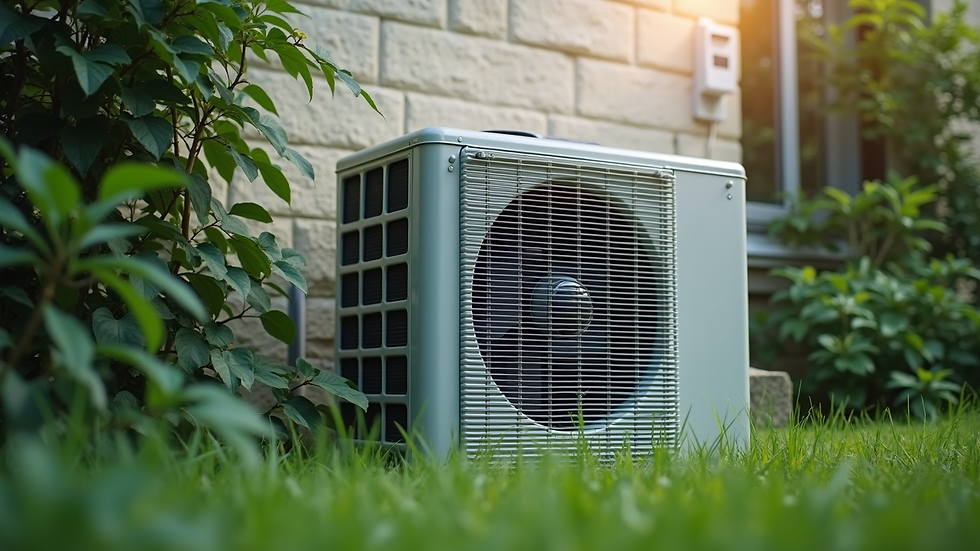
The outdoor condenser unit needs clear airflow to dissipate heat. Remove any debris, leaves, or dirt around the unit. Trim back plants or bushes that might be obstructing airflow.
Low Refrigerant Levels
Refrigerant is the lifeblood of your AC’s cooling process. If levels are low due to leaks, the system won’t cool effectively. This requires professional attention to locate and fix leaks and recharge refrigerant.
When Your AC Won’t Turn On: Quick Fixes to Try
If your air conditioner refuses to start, don’t panic. Here are some troubleshooting steps:
Check the Power Supply
Ensure the unit is plugged in and the circuit breaker hasn’t tripped. Reset breakers if necessary.
Inspect the Thermostat
Dead batteries or faulty wiring can prevent the thermostat from signaling the AC to start.
Look for a Blown Fuse
Some units have fuses that can blow and stop the system from powering on.
If these quick checks don’t solve the problem, it might be time to call for home air conditioning repair services.
Diagnosing Strange Noises and Water Leaks
Unusual sounds or water leaks are clear signs that your AC needs attention. Here’s how to identify the causes:
Noises That Signal Trouble
Buzzing or Humming: Could indicate electrical issues or a failing motor.
Grinding or Squealing: Often a sign of worn-out bearings or belts.
Rattling: Loose parts or debris inside the unit.
If you hear any of these, turn off the system to prevent further damage and schedule a professional inspection.
Water Leaks Around the Unit
Water pooling near your indoor unit usually means a clogged condensate drain line. This line removes moisture collected from the air. Over time, algae or dirt can block it, causing water to back up and leak.
How to fix it:
Locate the drain line and try to clear it with a wet/dry vacuum.
Pour a mixture of bleach and water down the drain to kill algae.
Regular maintenance can prevent this issue from recurring.
When to Call in the Experts for Home Air Conditioning Repair
While many troubleshooting steps are DIY-friendly, some problems require professional expertise. If you’ve tried basic fixes and your AC still isn’t working right, it’s time to reach out for help.
Professional technicians can:
Detect and repair refrigerant leaks safely.
Replace faulty electrical components.
Perform thorough system diagnostics.
Recommend system replacements if your unit is outdated or beyond repair.
Remember, attempting complex repairs without proper knowledge can be dangerous and may void warranties.
Preventive Tips to Keep Your AC Running Smoothly
Prevention is always better than cure. Here are some proactive steps to minimize air conditioning problems:
Schedule Regular Maintenance
Annual tune-ups by a certified technician can catch issues early and keep your system efficient.
Change or Clean Filters Monthly
This simple habit improves airflow and air quality.
Keep Outdoor Unit Clear
Remove debris and maintain at least two feet of clearance around the condenser.
Monitor Thermostat Settings
Avoid setting temperatures too low, which can overwork the system.
Seal Your Home Properly
Good insulation and sealing reduce the cooling load on your AC.
Staying Cool and Comfortable Year-Round
Troubleshooting your home air conditioning system doesn’t have to be overwhelming. With a little knowledge and regular care, you can keep your system running efficiently and avoid costly breakdowns. Remember, some issues are best left to professionals, especially when it comes to electrical components and refrigerant handling.
By staying proactive and informed, you’ll enjoy a cool, comfortable home no matter how high the mercury rises.
Stay cool, stay savvy!


Comments