Top HVAC Upgrade Solutions for Your Home

When it comes to keeping your home comfortable year-round, your HVAC system plays a starring role. But what happens when your current system starts showing signs of wear or just can’t keep up with your needs? That’s when it’s time to explore top HVAC upgrade solutions. Upgrading your HVAC system isn’t just about comfort; it’s about efficiency, savings, and even improving your home’s air quality. Let’s dive into the best options available to help you make an informed decision.
Why Consider HVAC Upgrade Solutions?
Upgrading your HVAC system can feel overwhelming, but it’s a smart move for several reasons. Older systems tend to consume more energy, leading to higher utility bills. Plus, they may not cool or heat your home evenly, leaving some rooms uncomfortable. Modern HVAC systems offer improved technology that can save you money and enhance your living environment.
Here are some key benefits of upgrading:
Energy Efficiency: Newer models use less energy, reducing your carbon footprint and monthly bills.
Improved Comfort: Advanced systems provide consistent temperatures and better humidity control.
Enhanced Air Quality: Many upgrades include better filtration systems to reduce allergens and pollutants.
Reliability: New systems are less likely to break down, saving you from unexpected repair costs.
Understanding these benefits helps you appreciate why investing in an upgrade is worthwhile.

Exploring Top HVAC Upgrade Solutions
There are several HVAC upgrade solutions to consider, each with its own advantages depending on your home’s size, layout, and climate. Here’s a breakdown of the most popular options:
1. Central Air Conditioning and Heating Systems
Central HVAC systems remain a favorite for many homeowners. They use a network of ducts to distribute conditioned air throughout the house. If your current system is outdated, upgrading to a high-efficiency central unit can make a big difference.
Advantages:
Even temperature distribution
Compatible with smart thermostats
Quiet operation
Can be paired with energy-efficient furnaces or heat pumps
2. Heat Pumps
Heat pumps are an excellent choice for moderate climates. They work by transferring heat rather than generating it, which makes them highly efficient. Modern heat pumps can both heat and cool your home, making them versatile.
Advantages:
Energy-efficient heating and cooling
Lower operating costs
Environmentally friendly refrigerants
Can be used with ducted or ductless systems
3. Ductless Mini-Split Systems
If your home doesn’t have existing ductwork or you want to avoid the hassle of installing ducts, ductless mini-split systems are a great alternative. These systems consist of an outdoor compressor and one or more indoor air handlers.
Advantages:
Easy installation
Zoned temperature control for different rooms
Energy-efficient operation
Ideal for room additions or older homes without ducts
4. Zoned HVAC Systems
Zoned systems allow you to control temperatures in different parts of your home independently. This is perfect for larger homes or those with varying heating and cooling needs.
Advantages:
Customized comfort for each zone
Energy savings by not conditioning unused areas
Compatible with central HVAC systems
5. High-Efficiency Furnaces
If your home relies on a furnace for heating, upgrading to a high-efficiency model can significantly reduce energy consumption. These furnaces use advanced technology to extract more heat from the fuel they burn.
Advantages:
Lower fuel bills
Reduced emissions
Quieter operation
Longer lifespan
How to Choose the Right HVAC Upgrade Solution
Selecting the best HVAC upgrade solution depends on several factors. Here’s a simple guide to help you decide:
Assess Your Home’s Needs
Size and Layout: Larger homes may benefit from zoned systems or central HVAC, while smaller homes might do well with ductless mini-splits.
Climate: Heat pumps work best in moderate climates, while furnaces are ideal for colder regions.
Existing Infrastructure: If you have ductwork, central systems or zoned upgrades are easier to implement.
Consider Energy Efficiency Ratings
Look for systems with high SEER (Seasonal Energy Efficiency Ratio) ratings for cooling and high AFUE (Annual Fuel Utilization Efficiency) ratings for heating. These ratings indicate how efficiently the system operates.
Budget and Long-Term Savings
While some upgrades may have a higher upfront cost, they often pay off through lower energy bills and fewer repairs. Consider financing options or incentives that may be available.
Professional Assessment
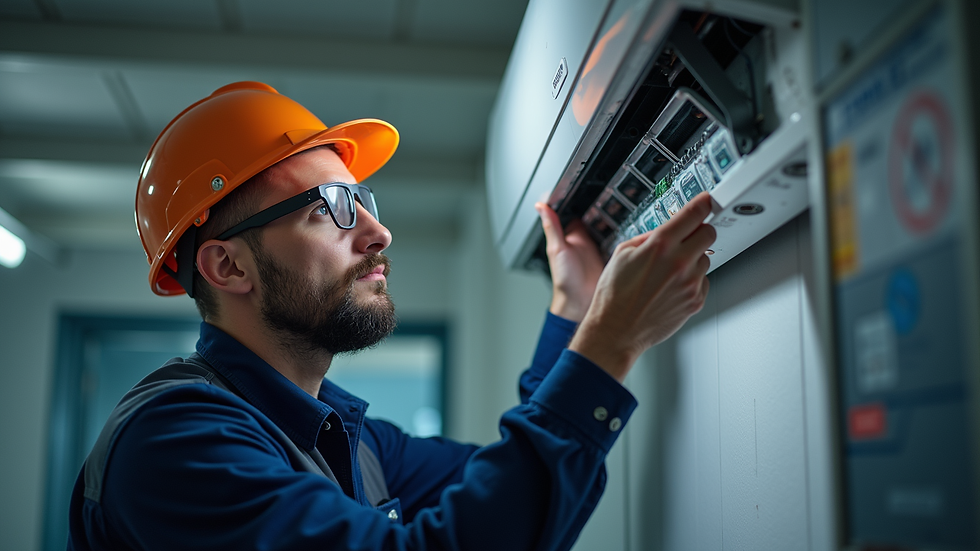
A qualified HVAC technician can evaluate your home and recommend the best upgrade solution tailored to your needs.
Maintenance Tips to Extend Your HVAC System’s Life
Upgrading your HVAC system is a big step, but maintaining it properly ensures you get the most out of your investment. Here are some practical tips:
Regular Filter Changes: Replace filters every 1-3 months to keep air flowing and reduce strain on the system.
Annual Professional Tune-Ups: Schedule yearly inspections to catch issues early and optimize performance.
Keep Vents Clear: Ensure furniture or curtains don’t block air vents.
Clean Outdoor Units: Remove debris and clean coils to improve efficiency.
Monitor Thermostat Settings: Use programmable thermostats to avoid unnecessary heating or cooling.
By following these simple steps, you can extend the life of your HVAC system and maintain a comfortable home environment.
Taking the Next Step with HVAC Replacement Options
If your current system is outdated or inefficient, exploring hvac replacement options is a smart move. Upgrading your HVAC system not only improves comfort but also enhances energy efficiency and reduces long-term costs. Whether you choose a central system, heat pump, ductless mini-split, or zoned solution, the right upgrade can transform your home’s climate control.
Remember, investing in a quality HVAC upgrade is an investment in your home’s value and your family’s well-being. Don’t hesitate to consult with a professional to find the perfect fit for your needs.
Preparing for Your HVAC Upgrade
Before scheduling your HVAC upgrade, there are a few things to keep in mind to ensure a smooth process:
Research and Compare: Look into different systems and read reviews to understand what fits your home best.
Get Multiple Quotes: Obtain estimates from several reputable HVAC contractors.
Check for Rebates and Incentives: Many local utilities and governments offer rebates for energy-efficient upgrades.
Plan for Installation Time: Depending on the system, installation can take from a few hours to a couple of days.
Prepare Your Home: Clear the area around your current HVAC system and ensure easy access for technicians.
Taking these steps will help you feel confident and ready for your HVAC upgrade journey.
Upgrading your HVAC system is a powerful way to boost your home's comfort, efficiency, and value. With so many options available, you can find a solution that fits your lifestyle and budget perfectly. Remember, a well-chosen HVAC upgrade is not just a purchase - it’s a long-term investment in your home’s future.


Comments