Why Regular HVAC Maintenance is Essential: Top HVAC Maintenance Tips

When it comes to keeping your home comfortable year-round, your HVAC system plays a starring role. But like any complex machine, it needs regular care to perform at its best. I’ve learned firsthand that regular HVAC maintenance is not just a good idea - it’s essential. It saves money, extends the life of your system, and keeps your indoor air quality healthy. In this post, I’ll share practical insights and hvac maintenance tips that every homeowner, builder, or property owner should know.
Why HVAC Maintenance Tips Matter for Your Home
You might think your HVAC system is fine if it’s heating or cooling your home, but without regular checkups, small issues can turn into costly repairs. Here’s why following hvac maintenance tips is crucial:
Energy Efficiency: A well-maintained system uses less energy. Dirty filters, clogged ducts, or worn parts make your system work harder, increasing your utility bills.
Longevity: Regular tune-ups can add years to your HVAC system’s life. Think of it like changing the oil in your car - it keeps everything running smoothly.
Comfort: Maintenance ensures your home stays at the right temperature without hot or cold spots.
Safety: Faulty HVAC systems can pose risks like carbon monoxide leaks or electrical hazards.
Air Quality: Clean filters and ducts reduce dust, allergens, and pollutants, improving your family’s health.
By investing a little time and effort into maintenance, you avoid emergency breakdowns and keep your home environment safe and comfortable.
Essential HVAC Maintenance Tips You Can’t Ignore
Let’s dive into some practical hvac maintenance tips you can implement or ask your service technician to perform regularly:
1. Change or Clean Air Filters Monthly
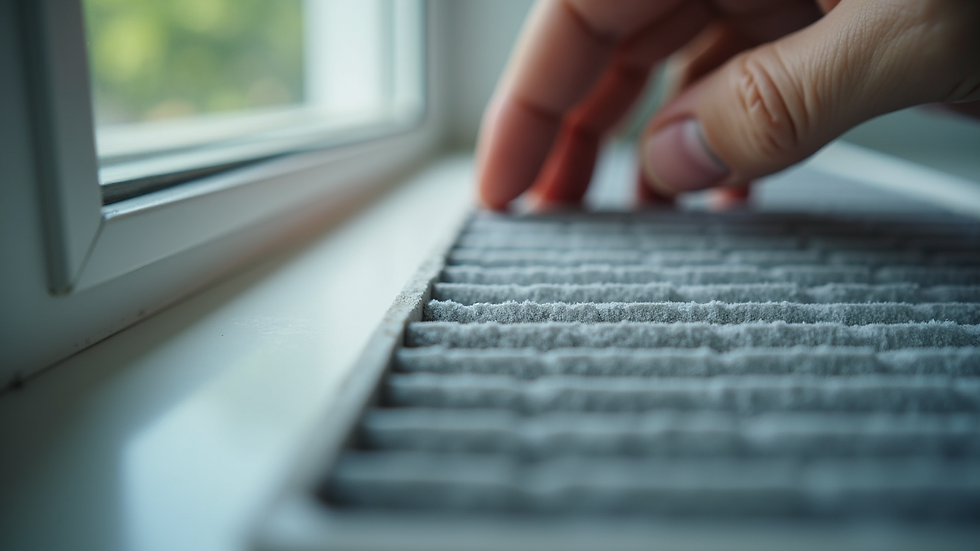
Air filters trap dust, pollen, and other particles. When clogged, they restrict airflow and reduce efficiency. I recommend checking your filters every month and replacing or cleaning them as needed. This simple step can improve air quality and reduce strain on your system.
2. Inspect and Clean Ductwork
Dust and debris can accumulate in ducts, reducing airflow and spreading allergens. Have your ducts inspected and cleaned every few years, or sooner if you notice dust buildup or uneven heating/cooling.
3. Check Thermostat Settings and Batteries
Your thermostat controls your HVAC system’s operation. Make sure it’s set correctly for your comfort and energy savings. Replace batteries annually to avoid unexpected failures.
4. Clear Debris Around Outdoor Units
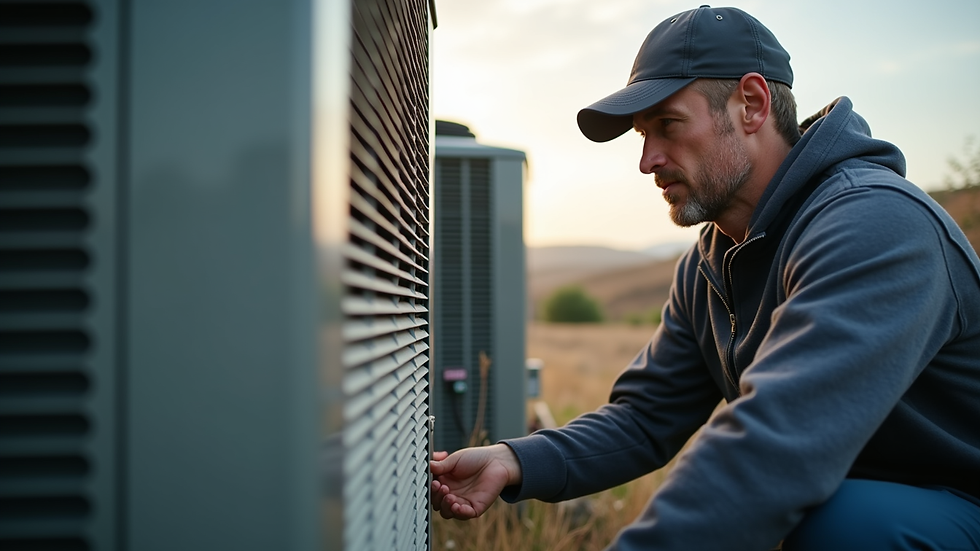
Outdoor condenser units can get clogged with leaves, grass, and dirt. Keep the area around your unit clear to ensure proper airflow and prevent overheating.
5. Schedule Professional Tune-Ups Twice a Year
A licensed HVAC technician can perform a thorough inspection, clean internal components, check refrigerant levels, and identify potential problems before they become costly repairs. Spring and fall are ideal times for these tune-ups.
6. Monitor System Performance
Pay attention to unusual noises, odors, or inconsistent temperatures. These signs often indicate maintenance needs or repairs.
How Regular Maintenance Saves You Money
Many people overlook maintenance because they think it’s an unnecessary expense. But skipping it often leads to bigger bills down the road. Here’s how regular care saves money:
Lower Energy Bills: Clean filters and well-tuned systems use less electricity or gas.
Avoid Costly Repairs: Early detection of worn parts prevents breakdowns.
Extend Equipment Life: Replacing an HVAC system can cost thousands. Maintenance delays that expense.
Prevent Property Damage: Leaks or malfunctions can cause water damage or mold growth.
Think of maintenance as an investment that pays off by keeping your system efficient and reliable.
When to Consider HVAC System Replacement
Even with the best maintenance, HVAC systems don’t last forever. Most units have a lifespan of 10-15 years. Here are signs it might be time to replace your system:
Frequent breakdowns or repairs
Rising energy bills despite maintenance
Uneven heating or cooling
Strange noises or smells
Outdated technology lacking energy efficiency
If you notice these issues, consult a professional to evaluate whether repair or replacement is the best option. Sometimes, investing in a new, energy-efficient system can save you money and improve comfort in the long run.
Taking the Next Step with HVAC System Maintenance
Maintaining your HVAC system is not just about comfort - it’s about protecting your investment and your home environment. If you want to keep your system running smoothly, I highly recommend scheduling regular professional inspections and following the simple tips I’ve shared here.
For those looking for expert help, hvac system maintenance services can provide comprehensive care tailored to your specific system and needs. Don’t wait for a breakdown to take action - proactive maintenance is the key to peace of mind and year-round comfort.
By staying on top of your HVAC maintenance, you’ll enjoy a healthier home, lower energy costs, and a system that lasts longer. It’s a smart choice that pays off every season.
I hope these insights help you understand why regular HVAC maintenance is essential and how you can keep your system in top shape. Remember, a little care goes a long way!


Comments